
A W-2 form is a yearly tax document issued by an employer that summarizes how much you earned and how much tax was withheld during the year. If you worked as an employee in the United States, you should receive a W-2 from every employer you worked for during that tax year.
Knowing how to read your W-2 correctly is critical for accurate tax filing and avoiding IRS issues. Many workers compare their W-2 totals with year-to-date figures from their pay stubs, especially when records are created or verified using reliable paystub tools.
This PhcWorkHub guide breaks down everything you need to know about the W-2 form—what it is, who receives it, how to read each section, when it’s issued, and what to do if there’s a problem.
What Is a W-2 Form?
Definition and Purpose
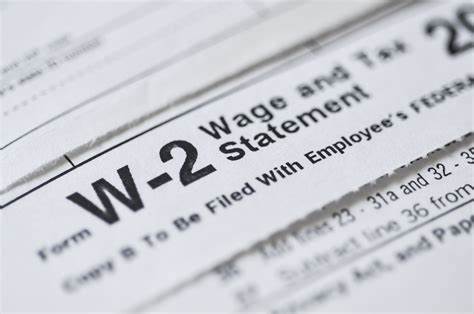
Form W-2, officially called the Wage and Tax Statement, is an IRS-required document that reports an employee’s annual wages and the taxes withheld from their pay. Employers must file a W-2 for each qualifying employee and submit copies to the IRS and Social Security Administration (SSA).
A W-2 serves several important purposes:
- Reports your yearly income to you and government agencies
- Shows federal, state, and local tax withholdings
- Tracks Social Security and Medicare contributions
- Acts as proof of income for taxes, loans, housing, and financial aid
Who Receives a W-2?
You’ll typically receive a W-2 if:
- You earned $600 or more from an employer, or
- Any federal, Social Security, or Medicare tax was withheld
Common recipients include:
- Full-time and part-time employees
- Seasonal and temporary workers
- Employees who worked only part of the year
- Individuals with multiple employers
- Tipped and commission-based workers
- Government and remote employees
Important note: Freelancers and independent contractors do not receive W-2s. They are issued Form 1099-NEC instead.
Why Your W-2 Is So Important
Your W-2 plays a central role in your financial and tax life:
- It’s required to file federal and state tax returns
- It determines whether you owe taxes or receive a refund
- It verifies income for lenders, landlords, and schools
- It impacts future Social Security benefits
- It helps the IRS match reported income
Keeping accurate W-2 records protects you from filing errors and delays.
How to Read a W-2 Form (Box-by-Box Overview)
A W-2 contains multiple numbered boxes, each reporting different earnings, taxes, or benefits.
Copies of a W-2
- Copy A: Sent by employer to the SSA
- Copy B: Used for federal tax filing
- Copy C: Kept for your personal records
- Copy D: Employer’s copy
- Copy 1 & 2: Used for state and local taxes (if applicable)

Employee and Employer Information (Top Section)
Before reviewing the numbers, confirm:
- Your full name (must match Social Security records)
- Your Social Security number
- Your address
- Employer name, address, and EIN
Errors here should be corrected immediately using Form W-2c.
Boxes 1–6: Federal Wages and Taxes
Box 1: Wages, Tips, Other Compensation
Shows your federal taxable income, including salary, bonuses, and taxable benefits—minus pre-tax deductions like retirement and health insurance.
Box 2: Federal Income Tax Withheld
Total federal income tax your employer withheld throughout the year.
Box 3: Social Security Wages
Income subject to Social Security tax, capped annually.
Box 4: Social Security Tax Withheld
Typically 6.2% of Box 3 wages.
Box 5: Medicare Wages and Tips
All wages subject to Medicare tax (no income limit).
Box 6: Medicare Tax Withheld
Usually 1.45%, plus an additional 0.9% for high earners.
Boxes 7–11: Tips and Benefits
- Box 7: Reported tips subject to Social Security
- Box 8: Allocated tips (not included in taxable wages automatically)
- Box 10: Dependent care benefits
- Box 11: Nonqualified deferred compensation distributions
Box 12: Benefit and Contribution Codes
Box 12 uses letter codes to report benefits such as:
- D: 401(k) contributions
- DD: Cost of employer health coverage
- W: Employer HSA contributions
- AA: Roth 401(k) contributions
You may receive multiple W-2s if more than four codes apply.
Boxes 13–14: Special Indicators and Other Info
- Box 13: Retirement plan participation, statutory employee status
- Box 14: Additional employer-specific details like union dues or vehicle benefits
Boxes 15–20: State and Local Tax Details
These boxes show:
- State wages and tax withheld
- Local wages and tax withheld
- Employer’s state tax ID
- City or locality name
If you worked in multiple states, you may see multiple entries or receive more than one W-2.
When Will You Receive Your W-2?
Employer Deadline
Employers must send W-2s by January 31 following the tax year. They may be delivered by mail or electronically (with consent).
If you had multiple employers, expect multiple W-2 forms.
What to Do If Your W-2 Is Missing
If you haven’t received your W-2 by mid-February:
- Contact your employer or payroll department
- Check online payroll portals
- If unresolved, contact the IRS
- As a last resort, file using Form 4852

What to Do When You Receive Your W-2
1. Verify All Information
Check your name, SSN, wages, and tax amounts carefully.
2. Compare With Your Pay Records
Match W-2 totals with your final year-end pay stub.
3. Store It Securely
Keep W-2s for at least 3 years (7 years is recommended).
4. Use It to File Taxes
Enter W-2 information into Form 1040 or tax software.
Common W-2 Issues and Solutions
Incorrect Information
Request a corrected W-2 (Form W-2c) from your employer.
Lost or Stolen W-2
Ask for a duplicate and monitor for identity theft.
Multiple W-2s
Combine totals when filing your tax return.
Zero Federal Tax Withheld
This may indicate exempt status or low earnings—be prepared to owe taxes.
W-2 vs Other Tax Forms
- W-2 vs W-4: W-4 sets withholding; W-2 reports results
- W-2 vs 1099: Employees vs independent contractors
- W-2 vs 1040: Income statement vs tax return
- W-2 vs W-3: Individual report vs employer summary
Key Takeaways
- A W-2 reports your annual wages and tax withholdings
- Employers must issue it by January 31
- Review it carefully for errors
- Keep copies for several years
- Use it to file accurate tax returns
Final Note
Understanding your W-2 form makes tax season smoother and helps you stay financially organized. Whether you’re verifying income, filing taxes, or keeping records, having accurate payroll documentation is essential.
PhcWorkHub provides tools and resources to help individuals and businesses manage pay records confidently and efficiently.
This article is for informational purposes only and does not replace professional tax advice. Always consult a tax professional for personal guidance.