
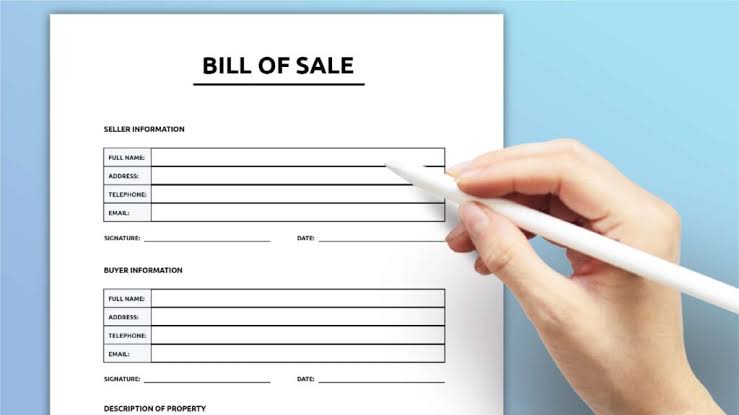
Buying, selling, or transferring a vehicle—whether it’s a car, truck, van, or motorcycle—can feel daunting. But drafting a clear and legally valid document called a bill of sale can give both parties security and peace of mind. In this blog post, we’ll walk you through what a bill of sale for automobiles is, why it matters, and how to complete one correctly.
What Is a Bill of Sale?
A bill of sale is a legal document that records the transfer of ownership of an asset—here, a vehicle—from one party (the seller) to another (the buyer). Think of it as a receipt, but one that goes beyond acknowledging payment. It typically contains critical details like the identity of both parties, vehicle specifics, the purchase price, and date of transfer.
When it comes to vehicles, having a bill of sale on vehicle transactions is especially important. It offers protection and clarity in case of disputes, registration, insurance claims, and more.
Why You Need a Bill of Sale for Automobiles
- Proof of Transfer and Ownership
A properly executed bill of sale serves as formal evidence that ownership of the vehicle has passed from seller to buyer. This is often required when registering the car or transferring the title at your local motor vehicle office. - Legal Protection
Sellers can limit liability by clarifying when responsibility for the vehicle ends—often when payment is received and the keys are handed over. Meanwhile, buyers are protected by knowing exactly what they’re purchasing (condition, mileage, whether there are liens, etc.). - Establishing Terms
A bill of sale on vehicle can outline whether the sale is “as‑is” or if any warranties apply. It can also document any agreed-upon conditions, such as repairs or delivery arrangements. - Preventing Fraud
Having a detailed and signed bill of sale for automobiles helps protect both parties from fraudulent claims about ownership or payment. - Recordkeeping
Sellers and buyers alike benefit from keeping copies. It’s a useful reference for tax, insurance, or warranty records.
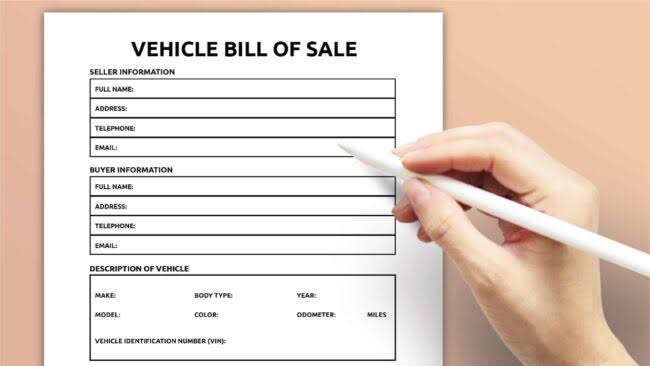
Key Components of a Bill of Sale for Automobiles
When preparing a bill of sale, you want to ensure it’s comprehensive and accurate. A vehicle bill of sale should include:
- Title: Often simply “Bill of Sale” or “Bill of Sale for Automobiles.”
- Date of Sale: The exact date the sale agreement takes place.
- Parties’ Information:
- Seller: Full legal name, address, telephone number.
- Buyer: Full legal name, address, telephone number.
- Vehicle Description:
- Make, model, year
- Vehicle Identification Number (VIN)
- Odometer reading at time of sale
- Color, body type, license plate number (if applicable)
- Sale Price: Total amount paid; whether by cash, check, money order, etc.
- Terms of Sale:
- “As‑Is” clause (common for private sales)
- Warranty details (if any)
- Stated that buyer has inspected the vehicle and accepts its condition
- Signatures:
- Seller’s signature and printed name
- Buyer’s signature and printed name
- Date(s) of signatures
- Witness / Notary Section (if required by local law)
This thorough detail ensures the bill of sales is legally defensible and appropriately documents the transaction.
How to Draft a Bill of Sale on Vehicle
You can create one on www.phcworkhub.com
What to Do After Completing a Bill of Sale on Vehicle
- Buyers: Use the document to apply for title transfer and registration. Keep it in your records.
- Sellers: Report the sale to your local motor vehicle department to remove your liability.
- Both Parties: Keep a copy for tax, insurance, and warranty claims.
Closing Thoughts
A well‑written bill of sale for automobiles is more than a receipt—it’s your proof of agreement, transfer, and liability separation. Whether you’re the buyer or the seller, taking the time to complete it accurately benefits everyone. Draft carefully, include all essential details, be transparent, and keep signed copies.
At phcworkhub.com, we believe that empowering vehicle buyers and sellers with clarity and templates helps streamline transactions. If you’d like a bill of sale, feel free to reach visit—we’re happy to help!
Happy—and safe—transacting!